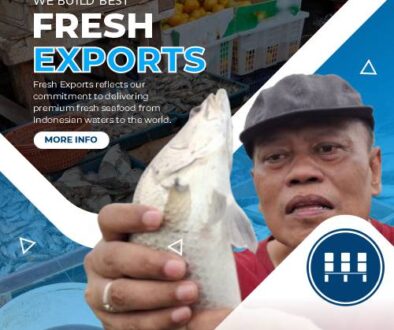
Why Indonesian Fishery Products Are Increasingly Popular in the World
Indonesia, often referred to as the world’s largest archipelago, is home to one of the most biodiverse marine ecosystems on the planet. With over 17,000 islands and more than 5.8 million square kilometers of territorial waters, the country’s seas are brimming with rich marine resources. In recent years, Indonesian fishery products have seen a surge in demand globally. But why are these products becoming so highly sought after? In this article, we will explore the reasons behind the growing international interest in Indonesian fishery products.
1. Exceptional Quality of Indonesian Seafood
One of the main reasons that Indonesian fishery products are increasingly popular in international markets is their high quality. Indonesia’s seas are home to a wide variety of fish and seafood, such as tuna, shrimp, grouper, and snapper, all of which are prized for their freshness and taste. Products like these are consistently regarded for their superior quality, whether they are wild-caught or farmed.
Indonesian seafood is prized by global consumers for its natural, clean taste, largely due to the country’s pristine waters and sustainable fishing practices. The seafood produced in Indonesia is known for being free from harmful chemicals or artificial additives, which makes it highly appealing to consumers who are increasingly concerned with the quality and safety of their food.
Additionally, with advances in post-harvest handling and packaging, Indonesian fishery products now retain their freshness longer, making them ideal for long-distance transport to international markets. This has enhanced their competitiveness and ability to meet the demands of global seafood consumers.
2. Sustainable Practices for Long-Term Growth
Sustainability has become a key factor in global trade, especially in the fishery industry. Overfishing and environmental damage are significant concerns for both governments and consumers worldwide. Indonesia has recognized the importance of adopting sustainable fishing practices to ensure the long-term health of its marine resources. Many businesses in Indonesia, including companies like Bluesupply Indonesia, have committed to adopting sustainable aquaculture and fishing practices that not only preserve marine life but also meet international sustainability certifications.
Sustainable practices include responsible fish farming, reducing bycatch, and supporting the replenishment of fish stocks. These efforts align with the growing global demand for environmentally friendly and ethically sourced food. As international consumers become more conscious of the environmental impact of their purchases, products that are certified as sustainably sourced are increasingly in demand.
Indonesian fishery products that are certified by organizations such as the Marine Stewardship Council (MSC) and Aquaculture Stewardship Council (ASC) have a competitive edge in global markets. These certifications reassure consumers that the products they are purchasing come from sources that are both responsible and sustainable.
3. Strategic Location and Access to Global Markets
Indonesia’s geographical location plays a significant role in making its fishery products more accessible to the global market. With direct access to the Pacific and Indian Oceans, Indonesian seafood can be quickly transported to key international markets, such as the United States, Japan, China, and Europe. This strategic location minimizes transportation time, ensuring that fresh seafood reaches consumers in optimal condition.
In addition to its location, Indonesia has been steadily improving its logistics infrastructure to facilitate more efficient export processes. Ports, shipping routes, and cold storage facilities have seen significant investments, allowing for faster and more reliable delivery of Indonesian seafood to global destinations. As the global seafood market continues to grow, Indonesia’s logistical advantage positions it well to meet increasing international demand.
4. Innovations in Aquaculture and Fisheries Technology
The advancement of aquaculture technology has played a crucial role in the rise of Indonesian fishery products in international markets. Companies are increasingly investing in innovative practices to improve the productivity, quality, and sustainability of farmed fish and shellfish. Technologies such as automated feeding systems, water quality management, and genetic research for better yields have allowed Indonesian aquaculture to thrive.
These innovations have helped Indonesian producers scale up operations while maintaining the quality of their products. Furthermore, technological advancements also make it easier to trace and certify the origin of seafood, a key factor for international markets that prioritize food traceability and supply chain transparency.
5. Growing Demand for Seafood and Protein-Rich Foods
Globally, there is an increasing demand for protein-rich foods, and fish has become a preferred source of protein for many consumers. As global populations continue to rise, the demand for sustainable and nutritious food sources is at an all-time high. Fish and seafood offer essential nutrients such as omega-3 fatty acids, protein, and vitamins, making them a staple in diets worldwide.
Indonesia, with its abundant marine resources, is well-positioned to capitalize on this trend. The country is not only able to meet domestic demand but is also able to supply international markets with large quantities of high-quality fishery products. As consumers around the world look for healthier and more sustainable food options, Indonesia’s fishery industry is poised to be a key player in fulfilling this growing demand.
Conclusion
Indonesia’s fishery products have become a global commodity due to their exceptional quality, sustainable practices, strategic location, and technological advancements. As global demand for seafood continues to rise, Indonesian fishery products are well-positioned to meet the needs of international consumers who are increasingly prioritizing sustainability, quality, and nutrition. With a strong commitment to responsible fishing and aquaculture practices, Indonesia is set to become a key supplier of high-quality seafood for the global market for years to come.